You don’t have to be an artist for creativity to save you. You just have to start.
During COVID, I was drowning and nobody knew it.
The world was already terrifying. And on top of it, I had just found out my niece Shannan had ovarian cancer. I couldn’t visit her. I couldn’t fix it. I couldn’t do anything except sit inside my house with that fear and try to survive each day.
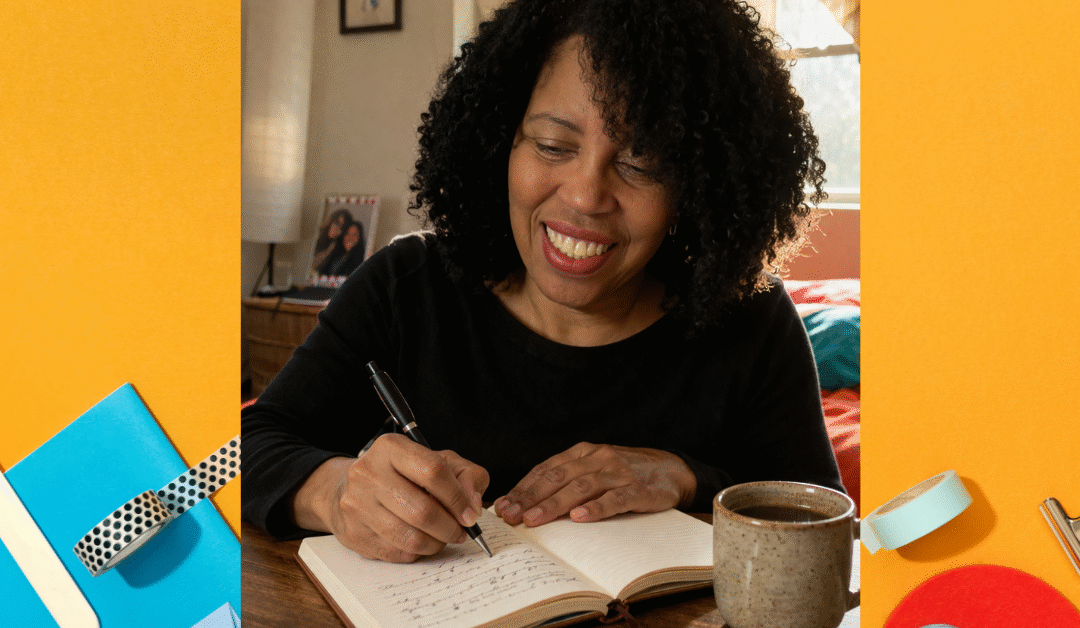
So I started writing. Every morning, before anything else.
Not for anyone. Not with any plan. I just opened a notebook and let it out. And something about that — just that simple, private act — kept me from going somewhere I might not have come back from. It focused me. It steadied me. Some mornings it was the only thing that felt real.
I didn’t know it then, but what I was doing had a name. And there’s a growing body of science that explains exactly why it worked.
Your Brain on Art — This Isn’t Woo-Woo. It’s Biology.
Susan Magsamen at Johns Hopkins and Ivy Ross from Google spent years building the scientific case for something a lot of us have felt but couldn’t prove: creative expression isn’t a luxury. It’s medicine.
The field they study — neuroaesthetics — looks at how arts and aesthetic experiences measurably change the brain, body, and behavior, and how that translates into real practices that improve health and well-being. Science Friday
Rhythmic, repetitive movements with the hands release serotonin, dopamine, and oxytocin. Even working with clay shifts brain activity into a calmer, more reflective state. Johns Hopkins Medicine
When you write. When you paint. When you make something with your hands — your brain chemistry is literally changing. That morning writing practice that kept me afloat? My body was producing the chemicals it needed to heal. I just didn’t have the language for it yet.
Grief Doesn’t Always Have Words. Art Doesn’t Need Them.
Here’s what hit me hardest when I started learning this research.
Trauma can affect the brain’s speech centers — which is part of why talk-based therapies don’t always reach people who are deep in it. American Scientist Some pain is too big for a sentence. Some grief doesn’t fit inside a conversation. And when words aren’t there, we need another way in.
That’s what happened to my sister Janine.
After we lost Shannan, she picked up a paintbrush for the first time in her life. She’s not an artist. She wasn’t trying to make anything beautiful. She just needed somewhere for it all to go. And through color, through the mess of it, through creating — she found a language for her loss that nothing else had given her.
What she found by accident, researchers are now documenting on purpose. And it’s why we built Healing Art Together. Because if it could reach Janine in the deepest grief of her life, it can reach you wherever you are.
You Don’t Have to Be Creative. You Just Have to Be Human.
I know what some of you are thinking. That’s not me. I’m not artistic.
I hear you. And I want you to let that go.
Researchers say creative expression is a basic human need — that art has existed as long as we have. We are literally wired for it. Greater Good
Art impacts brain wave patterns, the nervous system, and raises serotonin levels — changing how a person experiences the world. Healing-power-of-art That’s not about talent. That doesn’t care if you’ve never taken a class or filled a sketchbook.
You don’t have to be good at it. You just have to do it.
Pick up a pen tomorrow morning. Don’t edit. Don’t plan. Just write whatever is sitting in your chest. Give it five minutes. See what happens.
That’s where it starts.
If You’re Ready for More Than a Morning Practice
What I experienced during COVID, what Janine found in her grief — that’s the foundation of everything we do at Healing Art Together.
We run grief support workshops for people carrying loss that words can’t touch. We’re building the HAT Collective — connecting healing artists with healthcare providers across Long Island — because we believe a doctor should be able to prescribe creativity the same way they prescribe anything else.
If you’re carrying something and you haven’t found the right outlet for it yet, we want to be that bridge.
You don’t need experience. You don’t need to know what you’re doing. You just need to show up.
Diana McCray is the Executive Director and co-founder of Healing Art Together, a 501(c)(3) nonprofit on Long Island. Everything we do is in honor of Shannan Dyana McCray.